Understanding Hair Extensions: A Comprehensive Guide
Hair extensions have become a staple in the beauty industry, offering individuals the opportunity to instantly enhance their hairstyles with added length, volume, and versatility. Whether you're preparing for a special occasion or simply looking to switch up your everyday look, hair extensions provide a convenient solution. They come in various types and application methods, allowing users to achieve diverse styles, from glamorous curls to sleek, straight locks. In this comprehensive guide, we will delve into everything you need to know about hair extensions, including how they work, the different types available, and tips for choosing the right ones for your needs. When exploring options, hair extensions offer a wide range of choices to suit different preferences and budgets.
What Are Hair Extensions and How Do They Work?
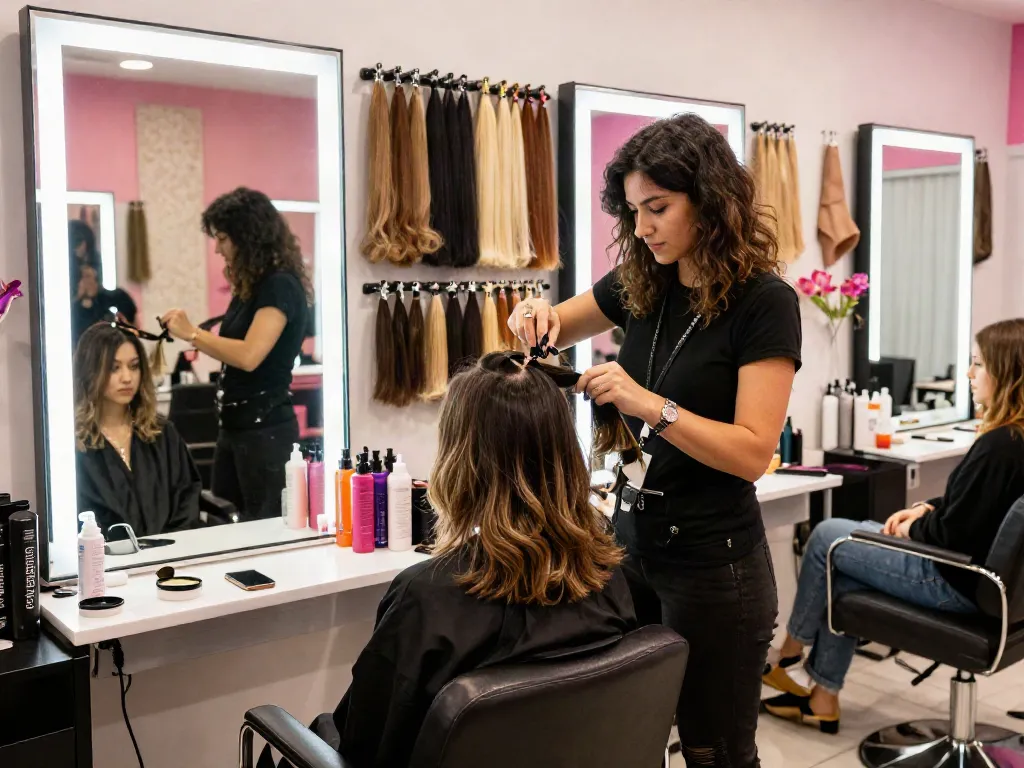
Hair extensions are pieces of hair that are either natural (human hair) or synthetic (made from fibers) used to add length, volume, or highlights to an individual's existing hair. They are applied using various methods, ranging from temporary solutions like clip-ins to more permanent options such as tape-ins and sew-ins. The process of applying hair extensions typically involves attaching the extensions to the natural hair using adhesive, micro-links, or weaving techniques, depending on the type of extensions chosen.
Different Types of Hair Extensions Available
Understanding the types of hair extensions is crucial in selecting the right one for your lifestyle and hair type. Here are the most common types:
- Clip-In Hair Extensions: These are temporary extensions that can be easily clipped into your natural hair. They are perfect for those who want flexibility and do not want a long-term commitment.
- Tape-In Extensions: These are semi-permanent extensions that are taped to the natural hair using a special adhesive. They lay flat against the scalp, offering a natural look and feel.
- Sew-In Extensions: Also known as weft extensions, these are sewn into cornrowed hair. They are more permanent and often used for thicker hair types.
- Fusion Extensions: These are bonded to the natural hair using keratin adhesive. Fusion extensions are known for their durability and natural appearance but require professional application and removal.
- Micro-Link Extensions: Also called micro bead or micro ring extensions, these are attached to the natural hair by using small beads or rings. They do not require heat or glue, making them a great option for damage-conscious users.
Hair Extension Application Techniques: Step-by-Step
Clip-In Hair Extensions: Easy and Versatile
Applying clip-in hair extensions is one of the simplest methods, making it a popular choice for many. Here’s how to do it:
- Start with clean, dry hair. Brush through to remove any tangles.
- Section your hair horizontally, starting from the bottom and working your way up.
- Open the clips on the extension wefts and position them close to the roots of your natural hair.
- Press down the clips to secure the extensions in place.
- Repeat the process until all pieces are attached, blending them with your natural hair.
Tape-In Extensions: Seamless and Natural
Tape-in extensions provide a seamless look, which is ideal for those wanting a more permanent solution. The application process involves:
- Sectioning the hair as you would for clip-ins.
- Sandwiching a small section of natural hair between two tape-in wefts.
- Pressing firmly to ensure the adhesive secures properly.
- Repeating until you achieve the desired volume and length.
Sew-In and Fusion Methods: Professional Applications
For sew-in and fusion methods, visiting a professional stylist is often recommended. The process may include:
- Sew-In: Cornrowing the natural hair and sewing the wefts onto the cornrows with a needle and thread.
- Fusion: Applying keratin bonds to small sections of natural hair and attaching the extension strands. This method requires a heat tool to melt the keratin and secure the bond.
Maintaining Your Hair Extensions: Best Practices
Daily Care Tips for Longevity
Maintaining your hair extensions is crucial for their longevity and appearance. Here are some effective care tips:
- Wash your extensions with sulfate-free shampoo to prevent drying out.
- Condition regularly to keep the hair soft and manageable.
- Avoid sleeping with wet extensions; always let them dry completely.
- Minimize heat styling to preserve the hair's health.
Products to Use and Avoid
Choosing the right products is essential when caring for hair extensions. Look for:
- Sulfate-free shampoos and conditioners.
- Leave-in conditioners and serum for added moisture.
- Avoid products with alcohol and heavy silicones, which can lead to buildup.
Scheduling Regular Maintenance Appointments
Regular maintenance appointments can help ensure your extensions last longer. Depending on the type of extensions, you may need to visit your stylist every 6-8 weeks for reapplication, tightening, or removal, especially for tape-in and sew-in types.
Common Misconceptions About Hair Extensions
Do Hair Extensions Damage Natural Hair?
One of the most common misconceptions is that hair extensions cause damage. The reality is that when applied and maintained correctly, extensions should not harm your natural hair. However, improper application or neglecting maintenance can lead to issues such as breakage or traction alopecia.
Understanding Cost vs. Value in Extensions
Cost can be a significant factor in deciding on hair extensions. While it’s tempting to choose cheaper options, investing in high-quality extensions can lead to better results and longevity. Remember that cheaper extensions may not blend well and can be prone to tangling and shedding.
Can Extensions Be Styled Like Natural Hair?
Yes! High-quality extensions can be styled just like your natural hair. You can curl, straighten, and even dye them (if they’re made from real human hair). However, always apply heat protectants to prevent damage.
Future Trends in Hair Extensions: What to Expect by 2026
Innovations in Material and Application Technology
As the hair extension industry grows, so does the technology used. By 2026, we can expect to see advancements in materials that are even more lightweight and durable. Innovations may also include more user-friendly application methods that can be done at home.
Eco-Friendly Hair Extensions: A Growing Demand
With a rising awareness of sustainability, eco-friendly hair extensions made from ethically sourced materials are becoming increasingly popular. Expect to see more brands prioritizing sustainability in their production processes.
Celebrity Influences and Emerging Styles
Celebrity trends greatly influence hair extension styles. By 2026, new styles inspired by influencers and celebrities will emerge, featuring unique lengths, colors, and application techniques that cater to a diverse audience.