Understanding Mini Split Systems
Mini split air conditioning systems, commonly referred to as mini splits, have gained significant popularity due to their efficiency and versatility in temperature control. Unlike traditional HVAC systems, mini splits do not require ductwork, making them ideal for spaces where installing ducts is impractical or too costly. These compact systems consist of an outdoor compressor unit connected to one or more indoor air handling units, providing targeted heating and cooling options. For homeowners and businesses exploring efficient climate control solutions, mini split systems offer a wealth of benefits worth considering.
What is a Mini Split? Overview of Functionality
Mini splits are a type of ductless air conditioning system that can efficiently cool and heat individual rooms or zones within a home or commercial space. They operate using two main components: an outdoor condenser or compressor and one or more indoor air handlers. The refrigerant circulates between these units, transferring heat from indoors to outdoors during the cooling process and vice versa for heating. This design not only enhances energy efficiency but also allows for precise temperature control in different areas of a building.
Key Components of Mini Split Air Conditioners
Understanding the components of mini split systems is crucial for their effective use and maintenance. The main parts include:
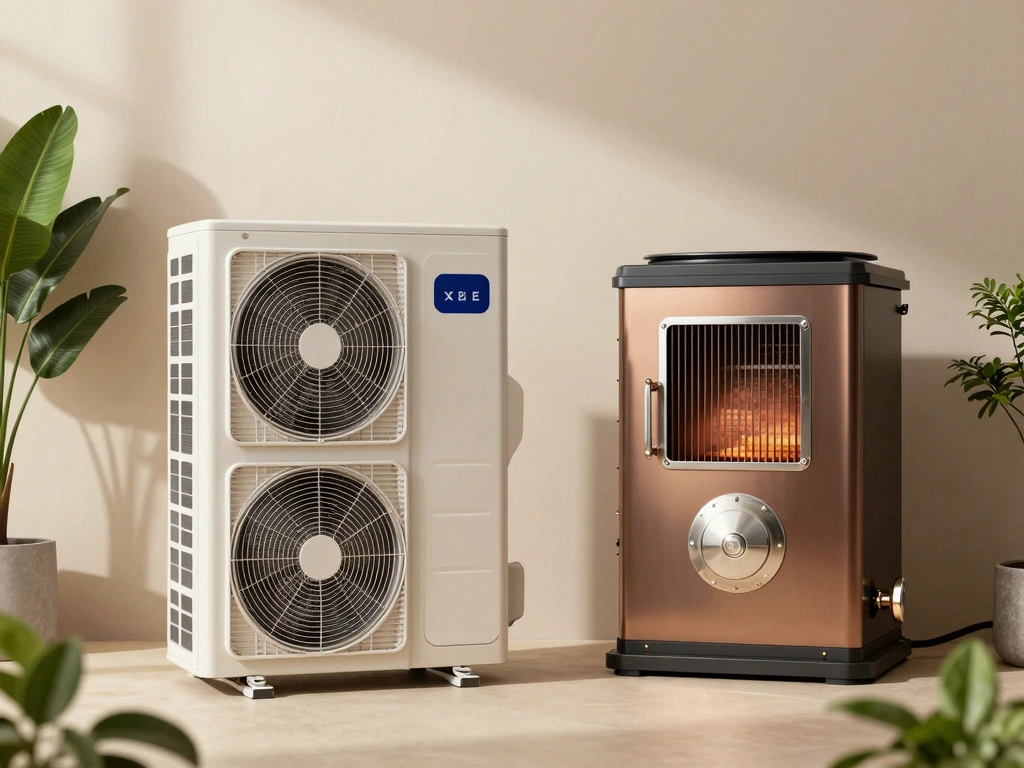
- Outdoor Unit: This unit contains the compressor and condenser, which are responsible for circulating refrigerant and expelling heat to the outside.
- Indoor Units: These air handlers distribute conditioned air throughout individual rooms. They often come equipped with remote controls and programmable settings for user convenience.
- Refrigerant Lines: These insulated lines connect the indoor and outdoor components, allowing for the transfer of refrigerant and heat.
- Drainage Lines: These facilitate the removal of condensation generated during the cooling process, preventing moisture buildup.
Benefits of Mini Split Systems Over Traditional HVAC
Mini split systems offer numerous advantages compared to traditional HVAC systems, making them a popular choice for many homeowners. Here are some key benefits:
- Energy Efficiency: Mini splits often have higher SEER ratings than conventional units, leading to lower energy bills and a smaller carbon footprint.
- Flexible Installation: Without the need for ductwork, mini splits can be installed in various locations, allowing for customized climate control tailored to specific spaces.
- Quiet Operation: Mini split systems typically operate more quietly than traditional air conditioners, enhancing comfort without disruptive noise.
- Zone Control: With multiple indoor units, users can set different temperatures in various rooms, maximizing comfort and energy savings.
Evaluating Your Home for Mini Split Installation
Before installing a mini split system, it's essential to assess your home's suitability for such a setup. Evaluating certain factors can help ensure a successful installation and optimal performance.
Identifying Ideal Locations for Indoor Units
Choosing the right locations for indoor units is crucial for effective airflow and efficiency. Ideally, these units should be placed in areas where conditioned air is needed most, such as living rooms or bedrooms. It's also important to consider the aesthetics and noise level, ensuring they fit well with the room's design and do not disrupt daily activities.
Assessing Your Home's Insulation and Energy Efficiency
The effectiveness of a mini split system can be significantly influenced by your home’s insulation and overall energy efficiency. Poor insulation can lead to energy loss, undermining the efficiency of the system. Evaluating areas such as windows, doors, and walls will guide necessary improvements to maximize the performance of the new heating and cooling system.
Calculating BTU Requirements for Effective Cooling
To select the appropriate mini split system, it’s vital to calculate the British Thermal Units (BTUs) needed for effective cooling. Factors such as room size, ceiling height, insulation quality, and local climate conditions will influence the BTU requirements. Utilizing a BTU calculator or consulting with a professional can ensure you choose a system that adequately meets your heating and cooling needs.
Installation Process of Mini Split Air Conditioners
Installing a mini split system involves several steps that, when followed correctly, ensure optimal performance. While this can often be a DIY project, professional installation is recommended for the best results.
Step-by-Step Guide to Installing a Mini Split
- Preparation: Gather the necessary tools, including a drill, level, and refrigerant gauge. Also, review the installation manual carefully.
- Select Locations: Mark the positions for the indoor and outdoor units while ensuring accessibility and proper airflow.
- Install the Wall Bracket: Secure the wall bracket for the indoor unit, ensuring it is level and firm.
- Drill a Hole: Create a hole through the wall for the refrigerant lines and drainage. Ensure this is done carefully to avoid damaging existing structures.
- Mount the Indoor Unit: Mount the indoor unit onto the wall bracket, ensuring it fits securely.
- Connect Refrigerant Lines: Run the refrigerant lines and connect them to both the indoor and outdoor units, ensuring no leaks occur.
- Power Up: Connect the system to power and check for any leaks before testing the operation.
Common Challenges During Installation and How to Overcome Them
While installing a mini split system can be a straightforward process, several challenges may arise:
- Inaccurate Measurements: Ensure all measurements are correctly taken to avoid installation issues.
- Refrigerant Leaks: Double-check connections and seals during setup to prevent leaks, which can affect performance.
- Electrical Issues: If you’re unfamiliar with electrical work, consider hiring a professional to avoid safety risks.
Tools Needed for a Successful Installation
Having the right tools is essential for a successful installation. Common tools required include:
- Drill
- Level
- Wrench set
- Refrigerant gauge
- Screwdrivers
- PVC piping and insulation
Maintaining Your Mini Split for Longevity
Proper maintenance is crucial for ensuring the longevity and effectiveness of your mini split system. Regular upkeep can prevent costly repairs and maintain energy efficiency.
Regular Maintenance Tasks for Optimal Performance
Performing routine maintenance includes cleaning or replacing air filters, checking refrigerant levels, and ensuring the outdoor unit is free of debris. Assessing the drainage system is also important to prevent water buildup that can damage the unit.
How to Troubleshoot Common Mini Split Issues
Common issues with mini split systems may include insufficient cooling or heating, unusual noises, and error codes displayed on the remote control. Performing basic troubleshooting steps, such as checking the remote settings, cleaning filters, and ensuring power is connected, can often resolve these problems.
When to Call a Professional for Repairs
If troubleshooting does not resolve the issues or if you notice refrigerant leaks, strange noises, or persistent malfunctions, it's best to call a professional HVAC technician. Their expertise can ensure your system is safe and operating correctly.
Future Trends in Mini Split Technology
The mini split market is continuously evolving, with innovations enhancing efficiency and user experience.
Innovations and Smart Features in 2026
With advancements in technology, many mini split systems now incorporate smart features, allowing users to control and monitor their settings via smartphone apps. Features such as programmable timers, energy consumption tracking, and integration with smart home systems are becoming standard in newer models.
Environmental Impact of Mini Splits and Sustainability Practices
As energy efficiency becomes a priority, manufacturers are focusing on developing eco-friendly systems that use less energy and incorporate sustainable materials. Mini splits designed with today’s environmental standards can significantly reduce carbon footprints, making them an excellent choice for environmentally conscious consumers.
Predicted Market Growth for Mini Split Systems
The mini split market is projected to experience substantial growth in the coming years, driven by increasing consumer awareness of energy efficiency and the rising demand for individualized temperature control options. As more homeowners recognize the benefits of mini split technology, adoption rates are expected to rise.
What are the disadvantages of a mini split?
While mini splits offer many advantages, potential disadvantages include upfront costs, which can be higher than traditional systems, and the need for professional installation. Additionally, aesthetic concerns regarding indoor units may deter some homeowners.
Are mini splits really worth it?
Absolutely. The efficiency, flexibility, and climate control offered by mini splits often lead to long-term savings on energy bills. They are particularly beneficial for homes without existing ductwork or where zoning is essential.
What does a mini split usually cost?
The cost of a mini split system can vary widely based on factors such as the brand, capacity, and number of zones needed. On average, homeowners can expect to spend between $3,000 to $5,000 for a complete installation, including equipment and labor.
Do mini splits work in 100 degree weather?
Yes, many modern mini split systems are designed to operate efficiently in extreme temperatures, including 100 degrees Fahrenheit and above. However, choosing a system with adequate BTU capacity is crucial for maintaining comfort during heatwaves.