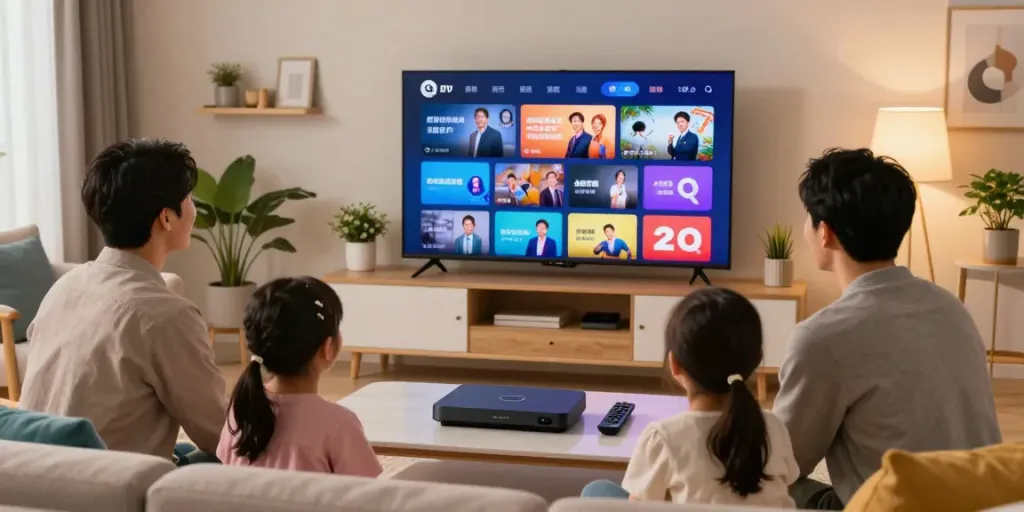
Understanding IPTV Subscriptions: A Modern Shift in Viewing
As the landscape of television continues to evolve, more users are turning to Internet Protocol Television (IPTV) as a preferred method of content consumption. IPTV allows viewers to access a wide variety of channels and content through the internet, eliminating the need for traditional cable setups. This shift not only impacts how we watch television but also enhances the customization and flexibility of viewing options. When exploring options, IPTV subscribe services can offer numerous advantages that traditional cable simply cannot match.
What is IPTV and How Does It Work?
IPTV stands for Internet Protocol Television, a technology that delivers television programming through the internet rather than through traditional terrestrial, satellite, or cable formats. Users access content via their internet connection, which means they can watch shows and movies on various devices including smart TVs, tablets, and smartphones. IPTV works by transmitting the television signal over the internet, allowing for greater flexibility in terms of what viewers can watch and when they can watch it. By leveraging technologies such as streaming protocols, content delivery networks (CDNs), and adaptive bitrate streaming, IPTV provides high-quality viewing experiences tailored to user bandwidth and preferences.
The Historical Context of Television to IPTV Transition
The transition from traditional television to IPTV is rooted in the advancement of internet technology and changing consumer behaviors. Historically, consumers relied heavily on cable and satellite services for live programming and on-demand content. However, as internet connectivity has improved and bandwidth has increased, IPTV has emerged as a viable alternative. The proliferation of smart devices and mobile internet access has further accelerated this shift, giving rise to a demand for more personalized viewing experiences.
Key Differences Between IPTV and Traditional Cable Services
IPTV and traditional cable services differ significantly in their delivery methods and user experiences. Key differences include:
- Flexibility: IPTV allows users to watch content on various devices at their convenience, while cable often requires a set-top box and a fixed television.
- Content Variety: IPTV services often include a wider array of channels, including niche options that might not be available on standard cable packages.
- Cost Structure: Many IPTV services operate on a subscription model that can be more cost-effective compared to traditional cable subscriptions laden with additional fees.
- User Control: With IPTV, viewers have more control over when and how they watch their favorite shows, through features like on-demand viewing and binge-watching capabilities.
Cost-Effectiveness of IPTV Subscriptions
Comparing IPTV Subscription Costs to Cable
When evaluating the cost-effectiveness of IPTV subscriptions compared to traditional cable, several factors come into play. Generally speaking, IPTV subscriptions can be more affordable, especially considering the range of options available. Many IPTV providers offer competitive pricing plans, often starting at a fraction of the cost of cable services. The average cost for a standard IPTV subscription can range from $10 to $50 per month, depending on the package and channels included, whereas cable services can easily exceed $100 monthly.
Understanding Hidden Fees in Traditional Subscriptions
One significant advantage of IPTV is the transparency in pricing. Traditional cable providers often include hidden fees for equipment rental, installation, and service maintenance, which can significantly increase the monthly bill. On the other hand, IPTV services typically have straightforward pricing without the complicated fee structures, making budgeting easier for consumers.
Cost Benefits of Bundled Services: IPTV with Internet
Many IPTV providers offer bundled services that include internet access. This can yield significant savings for users, as they may not need to pay separately for internet and television services. Bundling options can also provide additional value, with features such as enhanced internet speeds and more comprehensive content libraries, further incentivizing consumers to switch from traditional cable.
Diverse Content Offerings with IPTV
The Surge of Channels and On-Demand Libraries
One of the most compelling advantages of IPTV is the extensive library of channels and on-demand content it offers. Subscribers can access thousands of channels, significantly more than most traditional cable packages. Many IPTV services also provide vast libraries of on-demand movies and shows, allowing users to watch their favorite content whenever they choose.
Exclusive Content and Live Sports with IPTV
For sports enthusiasts, IPTV platforms often include exclusive rights to various sports leagues and events, giving users access to live broadcasts of games and matches that may not be available through traditional cable. This feature has made IPTV an appealing choice for dedicated sports fans who want to follow their teams closely.
Regional Content Access Flexibility with IPTV Services
IPTV allows users to access content from different regions and countries, providing a diverse range of viewing options that cater to various tastes and preferences. This functionality is particularly beneficial for expatriates or individuals who want to explore content from their native countries. The ability to adjust regional settings also means that users can enjoy localized content that traditional cable may not offer.
User Experience: Ease of Access and Interface
Intuitive Interfaces: Navigating IPTV Platforms
Modern IPTV platforms are designed to enhance user experience with intuitive interfaces that make navigation seamless. Users can quickly search for content, browse channels, and create personalized playlists. Many services also feature recommendations based on viewing habits, helping subscribers discover new and relevant content effortlessly.
Customization and User Profiles: A Personalized Viewing Experience
Another key aspect of user experience in IPTV is customization. Many services allow users to create personalized profiles, enabling different family members to have tailored viewing experiences. This feature can include saving favorite channels, creating watchlists, and managing parental controls—something that traditional cable providers typically lack.
Mobile Streaming Options: Watch Anywhere, Anytime
With IPTV, the ability to stream content on mobile devices is a game changer. Users can watch their favorite shows on the go, whether they are commuting or traveling. This flexibility not only caters to busy lifestyles but also enhances the overall appeal of IPTV as a modern viewing option.
The Future of IPTV and Emerging Trends
Technological Advancements in IPTV for 2026
The IPTV industry is poised for rapid technological advancements in 2026 and beyond. Emerging technologies such as 5G connectivity will facilitate faster and more reliable streaming, improving the overall user experience. Additionally, advancements in artificial intelligence (AI) could lead to smarter suggestions and personalized content delivery, transforming how consumers engage with media.
Predictions for Global IPTV Reach and Accessibility
As internet access continues to expand globally, so too will the reach of IPTV. Predictions show that the number of IPTV subscribers will increase dramatically in the coming years, especially in regions where traditional cable infrastructure is limited. This provides a significant opportunity for content providers to tap into new markets and reach a broader audience.
How IPTV is Shaping Content Creation and Distribution
IPTV is not just changing how viewers watch television but also how content is created and distributed. With the rise of independent content creators and streaming platforms, more diverse storytelling and programming are thriving. This shift is democratizing content distribution and allowing for creativity beyond traditional broadcasting constraints.
How much does an IPTV subscription cost?
The cost of IPTV subscriptions can vary widely depending on the provider and the package chosen. Generally, most plans range from $10 to $50 per month, but premium packages or those with exclusive content may be higher.
Is IPTV legal in the USA?
Yes, IPTV is legal in the United States as long as the service provider has the appropriate licenses to distribute the content they offer. It's essential for users to choose reputable services to avoid illegal streaming options.
How can I purchase an IPTV subscription?
Purchasing an IPTV subscription typically involves selecting a provider, choosing a plan that fits your needs, and setting up an account online. Most services offer straightforward sign-up processes that can be completed in just a few minutes.
What are the best IPTV providers in 2026?
Some of the best IPTV providers predicted for 2026 include established brands with a strong reputation for content quality and customer service. This includes companies known for their extensive channel offerings, user-friendly interfaces, and competitive pricing.
Are there risks associated with IPTV subscriptions?
While IPTV offers numerous benefits, there are risks, such as potential legal issues if choosing unauthorized services or security concerns if using unreliable platforms. It's vital to research providers thoroughly and ensure they are legitimate before subscribing.