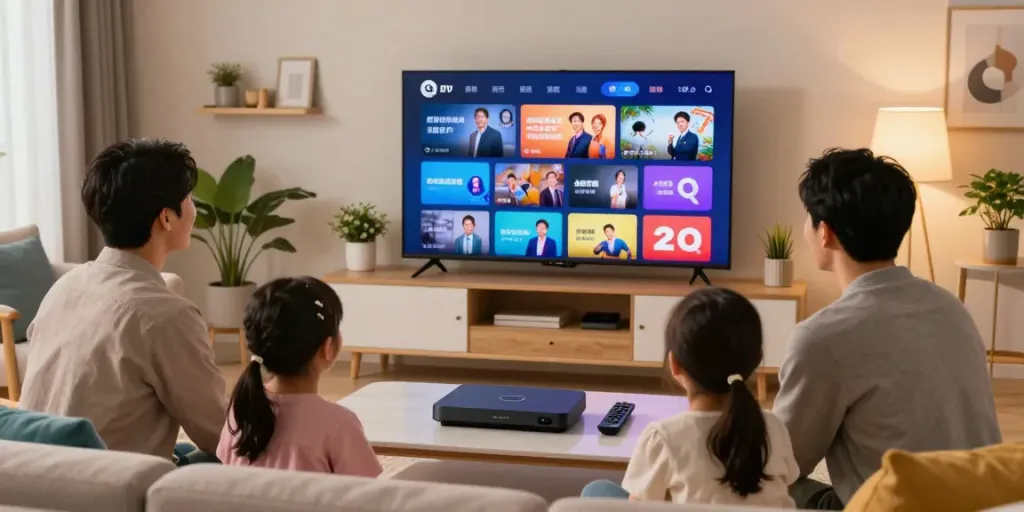
Understanding IPTV Subscriptions: What You Need to Know
IPTV (Internet Protocol Television) has revolutionized how we consume media, offering flexible streaming options that cater to a wide variety of viewing preferences. Unlike traditional cable or satellite television, IPTV delivers content over the Internet, enabling users to watch live and on-demand programs from any device that supports streaming. As technology advances, the demand for IPTV subscriptions continues to grow, with many consumers eager to explore the countless options available. If you're considering diving into the world of IPTV, understanding the various aspects of IPTV subscriptions is essential. When exploring options, IPTV subscribe services can offer a wealth of choices, but consumers must be aware of their unique features, pricing structures, and potential challenges.
What is IPTV and How Does it Work?
IPTV stands for Internet Protocol Television, which refers to the method of delivering television content over the Internet. Instead of receiving signals through traditional broadcast methods, IPTV uses your internet connection to provide a seamless streaming experience. The service typically operates through three distinct types of content delivery:
- Live Television: This involves streaming real-time broadcasts, similar to what you would find on cable or satellite services.
- Video on Demand (VOD): Users can access a library of films and shows at their discretion without the need to watch according to a fixed schedule.
- Time-Shifted Television: This feature allows users to pause, rewind, or record live TV broadcasts for later viewing.
Types of IPTV Subscriptions Available
IPTV subscriptions come in various forms to cater to different user preferences and needs. Here are some common types of IPTV subscriptions:
- Free IPTV: While it may seem attractive, free IPTV often comes with limitations, such as unreliable streams and legal uncertainties.
- Paid IPTV Subscriptions: These services typically offer a wider range of channels, higher streaming quality, and fewer interruptions.
- Hybrid IPTV: This combines traditional broadcasting with internet-based services, allowing for optimal flexibility.
Common Challenges with IPTV Subscriptions
As beneficial as IPTV subscriptions can be, users often encounter several challenges that can impact their viewing experience.
Legal Issues Surrounding IPTV Services
The legality of IPTV services often raises eyebrows. While many subscription services are perfectly legal, there are numerous free IPTV providers that operate in legal gray areas. This is crucial to verify before committing to a service, as illegal IPTV may expose users to fines or penalties.
Quality of Service: Stream Reliability and Buffering
While many IPTV services boast vast libraries of content, stream reliability can be an issue. Factors such as internet speed and network congestion can lead to buffering and other interruptions. Therefore, it is vital to choose a provider known for a stable and reliable service.
Hidden Fees and Subscription Costs
Many IPTV services advertise low monthly rates, but potential subscribers should be wary of hidden fees. These could include additional costs for premium channels, equipment rental, or installation fees. Always review the terms and conditions before signing up.
Best Practices for Choosing an IPTV Subscription
To ensure you select the right IPTV service, it's essential to follow these best practices:
Evaluating Content Quality and Channel Variety
When choosing an IPTV subscription, evaluate the quality of the content and the diversity of channels available. High-definition options may improve your viewing experience, and a broad selection can cater to all family members’ interests.
Considering User Reviews and Recommendations
User reviews can provide invaluable insights into the performance of IPTV services. Look for feedback on stream quality, customer service, and the overall experience to guide your decision.
Testing Trial Periods Before Committing
Many IPTV providers offer trial periods, allowing users to test the service before making a long-term commitment. Take advantage of these trials to assess whether a service meets your expectations.
Emerging Trends in IPTV Subscriptions for 2026
The world of IPTV is always evolving, and staying informed about emerging trends can enhance your viewing experience and inform your purchasing decisions.
Impact of 5G on IPTV Service Quality
The rollout of 5G technology is expected to significantly enhance IPTV service quality, providing faster internet speeds that can support high-resolution content without buffering. This innovation could lead to a surge in subscribers as users seek improved streaming experiences.
Integration of Smart Home Technology with IPTV
As smart home technology continues to advance, the integration between IPTV services and smart devices is becoming more seamless. From voice-activated controls to compatibility with smart TVs, this trend enhances user convenience and experience.
Future Content Trends: Live Streaming vs. On-Demand
As viewing habits shift, the competition between live streaming and on-demand content is intensifying. Providers may increasingly offer hybrid options to cater to varied user preferences, making it important for subscribers to stay updated.
Frequently Asked Questions About IPTV Subscriptions
How much does an IPTV subscription cost?
The cost of IPTV subscriptions can vary widely, ranging from free services to premium options that cost upwards of $50 per month. Prices often correlate with the quality of content, the number of channels offered, and the overall service reliability.
Is an IPTV subscription legal?
While many IPTV subscriptions are legal, it's crucial to research your chosen provider to ensure compliance with local regulations. Subscribing to a service that streams copyrighted content without permission can lead to legal consequences.
What features should I look for in an IPTV service?
Key features to consider when evaluating IPTV services include channel variety, streaming quality, user interface, customer support, and additional features like DVR capabilities and content libraries.
Can I use IPTV on multiple devices?
Most IPTV providers allow users to stream content on multiple devices, such as smartphones, tablets, smart TVs, and streaming devices. However, it's essential to check the provider's policy regarding simultaneous streams and device compatibility.
What are the best IPTV subscription options available?
The best IPTV subscription options vary based on individual preferences, including desired channels, budget, and viewing patterns. Conducting thorough research and utilizing trial periods can help identify the best fit for your needs.