Understanding Water Heater Repairs
When your water heater malfunctions, it can disrupt your daily routine and create unnecessary stress. Understanding the nuances of water heater repair in Rapid City is essential for homeowners to ensure they maintain a reliable supply of hot water. From identifying the initial signs of trouble to knowing when to call a professional, this guide aims to provide valuable insights that empower you to make informed decisions regarding your water heating system.
Common Signs That Your Water Heater Needs Repair
Recognizing the early signs of water heater issues can save you from costly repairs and ensure your system runs smoothly. Here are some common indicators:
- Inconsistent Water Temperature: If your water temperature fluctuates, it may indicate a problem with the heating element.
- Unusual Noises: Banging, popping, or hissing sounds can suggest sediment buildup or a failing heating element.
- Water Discoloration: If your hot water has a rusty or discolored appearance, it could point to rust inside the tank.
- Leaks Around the Unit: Any visible water pooling around the heater or dripping from pipes is a clear sign of trouble.
- Higher Utility Bills: A spike in your energy bills may indicate that your water heater is working harder than necessary to heat water.
Evaluating Repair vs. Replacement
When faced with a malfunctioning water heater, homeowners must assess whether to repair or replace the unit. Factors to consider include:
- Age of the Heater: If your water heater is over ten years old, replacement may be more cost-effective in the long run.
- Frequency of Repairs: If you find yourself frequently calling for repairs, it might be time to invest in a new model.
- Energy Efficiency: Newer units typically have better energy efficiency ratings, which can lead to lower utility bills.
For those looking for reliable services, water heater repair Rapid City offers a variety of expert options to keep your home comfortable and efficient.
How Water Heater Types Affect Repair Needs
Understanding the type of water heater you have—be it tank, tankless, or hybrid—will influence your approach to repairs.
- Tank Water Heaters: These traditional units can develop sediment buildup, leading to inefficiency or leaks.
- Tankless Water Heaters: While they last longer and are more energy-efficient, they can experience scale buildup that requires descaling.
- Hybrid Water Heaters: Combining traditional and modern technology, these systems may have unique issues that necessitate specific repairs.
DIY Water Heater Troubleshooting
Before calling a professional, homeowners can attempt some basic troubleshooting. Learning a few DIY tricks can often resolve minor issues and improve performance.
Basic Troubleshooting Steps for Homeowners
Here are some initial steps to diagnose common water heater problems:
- Check the Power Supply: Ensure that the unit has power, with no tripped circuit breakers.
- Inspect the Thermostat Settings: Confirm that the thermostat is set to the appropriate temperature, typically around 120°F.
- Examine the Pressure Relief Valve: If leaks are present, testing this valve can help prevent serious issues.
Understanding Error Codes and Indicators
Many modern water heaters come equipped with digital displays that show error codes. Familiarizing yourself with these codes can expedite troubleshooting. Refer to the manufacturer's manual for specific code explanations and remedies.
Safety Precautions While Troubleshooting
Safety should always be a priority. Here are essential precautions to take:
- Turn off the power or gas supply before inspecting the unit.
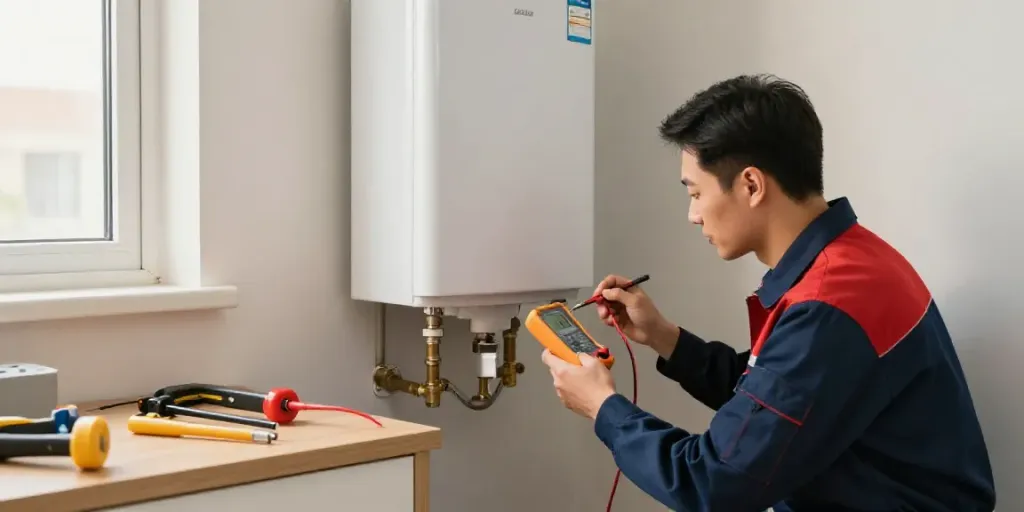
- Use insulated tools to avoid electric shock.
- Wear protective gear to prevent injury from leaks or hot surfaces.
Choosing Professional Repair Services
When DIY steps are insufficient, it's time to enlist the help of professionals. Choosing the right repair service can make all the difference in resolving your water heater issues efficiently.
How to Select a Qualified Repair Technician in Rapid City
Consider these factors when selecting a technician:
- Licensing and Insurance: Verify that the technician is licensed and insured to ensure you are protected during repairs.
- Experience: Look for technicians with experience specific to your water heater type and brand.
- Customer Reviews: Check online reviews and testimonials to gauge the quality of service.
Questions to Ask Your Plumbing Specialist
Don't hesitate to ask potential repair technicians questions to assess their expertise:
- What is your experience with similar water heater issues?
- Can you provide estimates before starting work?
- What warranties do you provide on parts and labor?
What to Expect During a Repair Visit
Understanding the repair process can help alleviate any concerns:
- The technician will conduct a diagnosis to pinpoint issues.
- Repairs can typically be done on-site, but more extensive repairs may require more time.
- You will receive a detailed explanation of the repairs performed and follow-up recommendations.
Water Heater Maintenance Tips for Longevity
Regular maintenance is key to extending the life of your water heater and ensuring optimal performance. By following these practices, homeowners can prevent many common issues.
Routine Maintenance Practices Every Homeowner Should Follow
Incorporating maintenance into your schedule can prevent unexpected breakdowns:
- Flushing the Tank: At least once a year, flush your tank to remove sediment buildup.
- Inspecting Anode Rods: Check and replace anode rods every few years to prevent corrosion.
- Checking the Pressure Relief Valve: Test this valve annually to ensure it functions correctly.
Signs of Aging Water Heaters
As water heaters age, they show specific signs of wear. Be aware of:
- Unusual Noises: Increased noise levels often indicate sediment buildup.
- Rust or Corrosion: Any visible rust on the tank or pipes is a sign that your heater is nearing the end of its life.
- Inconsistent Heating: If hot water is less consistent, it may indicate that the heating elements are failing.
How to Prepare for Seasonal Changes
Seasonal changes can affect your water heater's performance. To prepare:
- Ensure insulation around pipes and the water heater to prevent freezing.
- Consider adjusting the thermostat lower in the summer months to save energy.
- Schedule a maintenance check before winter to ensure reliable operation.
The Future of Water Heater Technology
The plumbing industry continues to evolve, with emerging technologies promising improved efficiency and performance. Here are notable trends to watch for in the coming years.
Emerging Trends in Water Heater Innovations by 2026
Water heaters are becoming increasingly sophisticated:
- Smart Technology: Features like Wi-Fi connectivity allow homeowners to monitor and control their water heater remotely.
- Enhanced Energy Efficiency: New models are being designed with even better efficiency ratings, reducing energy consumption significantly.
- Solar Water Heating: Harnessing renewable energy, solar water heaters are becoming popular for eco-conscious homeowners.
Eco-Friendly Options and Their Benefits
With growing environmental concerns, eco-friendly water heaters are gaining traction:
- Heat Pump Water Heaters: These units use electricity to move heat rather than generate it, greatly improving efficiency.
- High-Efficiency Models: Look for units with Energy Star ratings that guarantee lower operational costs.
What Homeowners Should Know About Smart Technology Integration
As smart home technology integrates into everyday appliances, homeowners should consider:
- Compatibility with existing home systems before investing in smart models.
- Improved monitoring capabilities to track performance and maintenance needs.
- Potential energy savings through automated settings and notifications.
What’s the average cost to fix a water heater?
The cost of water heater repair can vary significantly depending on the issue, but typical repair costs range from $200 to $600.
What is the most common problem with a water heater?
One of the most common problems is sediment buildup in tank water heaters, which can lead to overheating and leaks.
Is it worth it to repair a hot water heater?
In many cases, if the repair cost is less than 50% of the total replacement cost, it is usually considered worthwhile to repair.
What is the average lifespan of a hot water heater?
Typically, a traditional tank water heater lasts about 8-12 years, while tankless models can last up to 20 years with proper maintenance.
How can I improve the efficiency of my water heater?
Improving water heater efficiency can be achieved through regular maintenance, insulating pipes, and adjusting the thermostat to a lower temperature setting.. Additionally, clogged drain repair Rapid City SD provides further details.